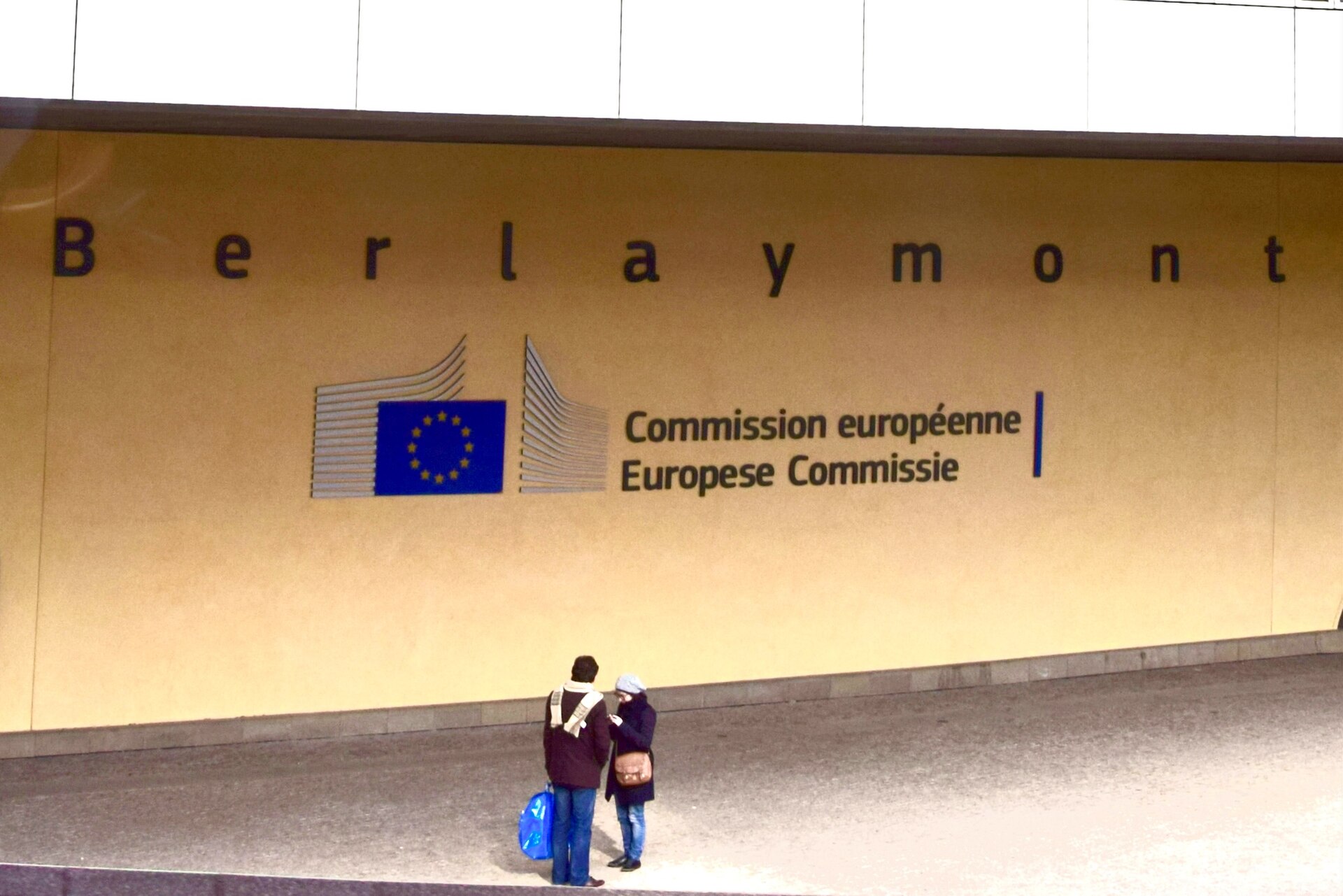
The European Commission is the most frequently mentioned and most frequently misunderstood institution in Brussels. It is not a government in the national sense, yet it holds powers no national ministry has.
The guardian of the treaties
The Commission’s oldest job is enforcement. When a member state fails to apply EU law, the Commission can open an infringement procedure and, if the matter is not resolved, take the country to the Court of Justice of the European Union, which can impose financial penalties. This power applies equally to the largest and smallest member states.
The only proposer of legislation
EU laws start at the Commission. Its departments, known as directorates-general, draft proposals covering everything from agriculture to competition policy. Each proposal must pass an internal impact assessment before publication, and most are preceded by public consultations open to citizens and organisations.
Competition and trade powers
In two areas the Commission acts with unusual independence: it can block mergers and fine companies for anti-competitive behaviour, and it negotiates trade agreements on behalf of all 27 member states. These are among the few fields where Brussels speaks with a single voice on the world stage.
How it is appointed
Each member state nominates one commissioner, but the college as a whole must be approved by the European Parliament, which holds public hearings for every nominee and has forced the withdrawal of candidates in the past. The Commission president is proposed by national leaders and elected by Parliament.